As digital photo libraries increase on phones, cameras, and external drives, most Windows users will sooner or later encounter the same problem: how to keep thousands of pictures well organized and, at the same time, manageable. However, digiKam and other basic image viewers may be able to open files very fast. They still tend to completely lose the notion of ONE personal collection of images. This happens when the subordinate folders, devices, and years of accumulated media are not the same ones visited or worked on. It is, in fact, very understandable. Users not only of RAW images but also of digitally banked albums may touch the problem most closely and daily. The same applies to those who do the large-volume import of photos.
The problem is something that digiKam has tackled, not as an image viewer only, but as a complete photo management application. Editing and viewing are indeed included, but its major fraîche is organizing even very big libraries. Thus, the users are not forced to log in to the cloud-based service. That’s exactly the point that really matters to photographers, hobbyists, and students. It also matters to those who keep archives long-term. They also look for something that practically works. It only becomes part of their concern in the process.
Giving Precedence to the Somewhat Difficult Edifice over Barebodiness
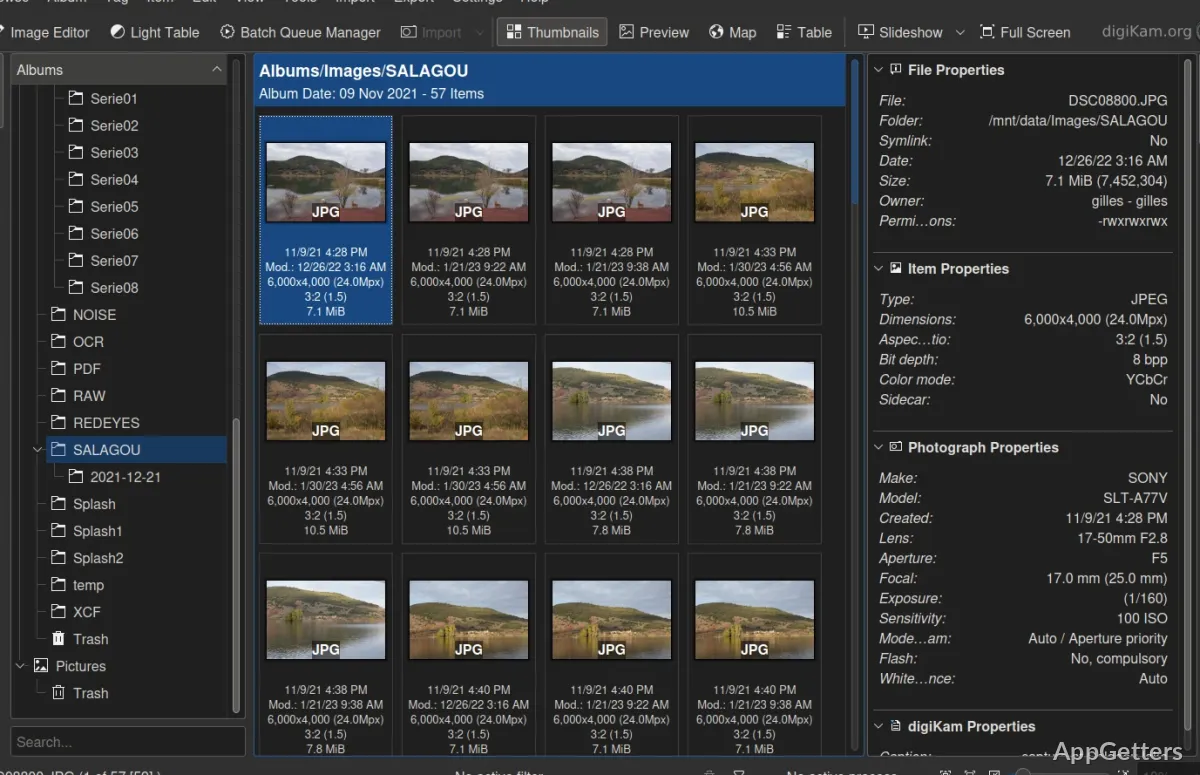
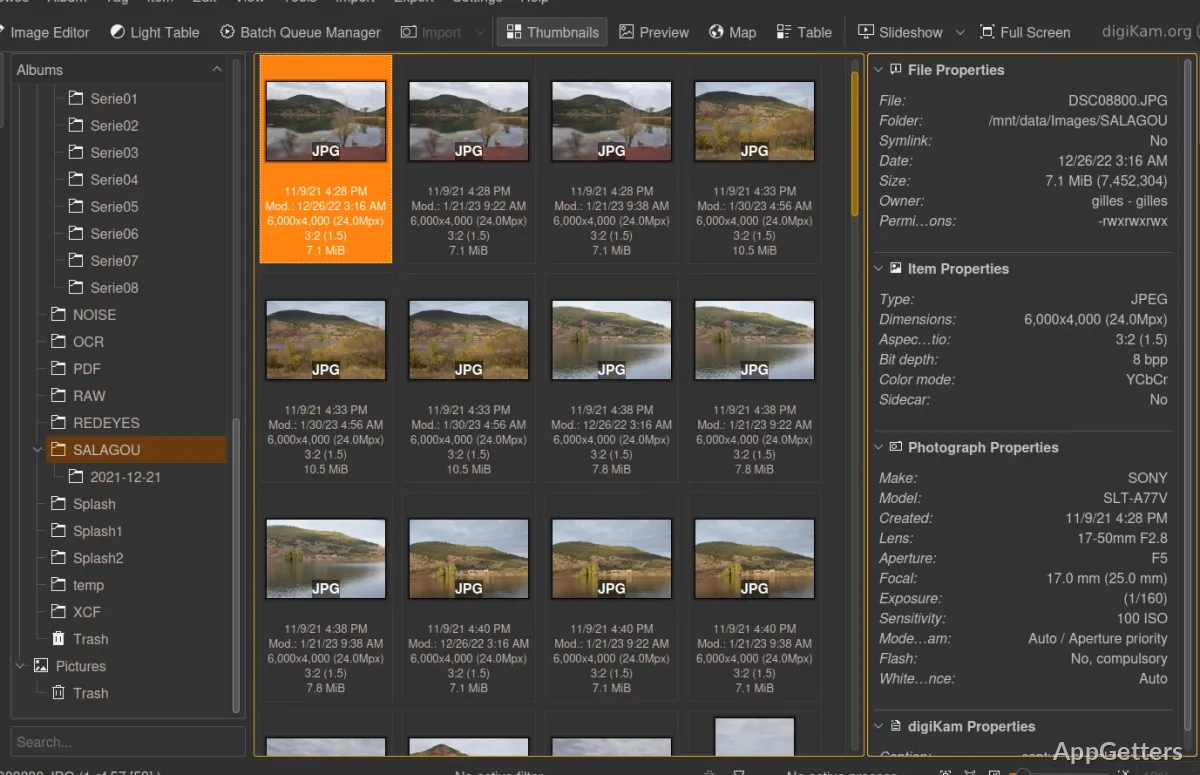
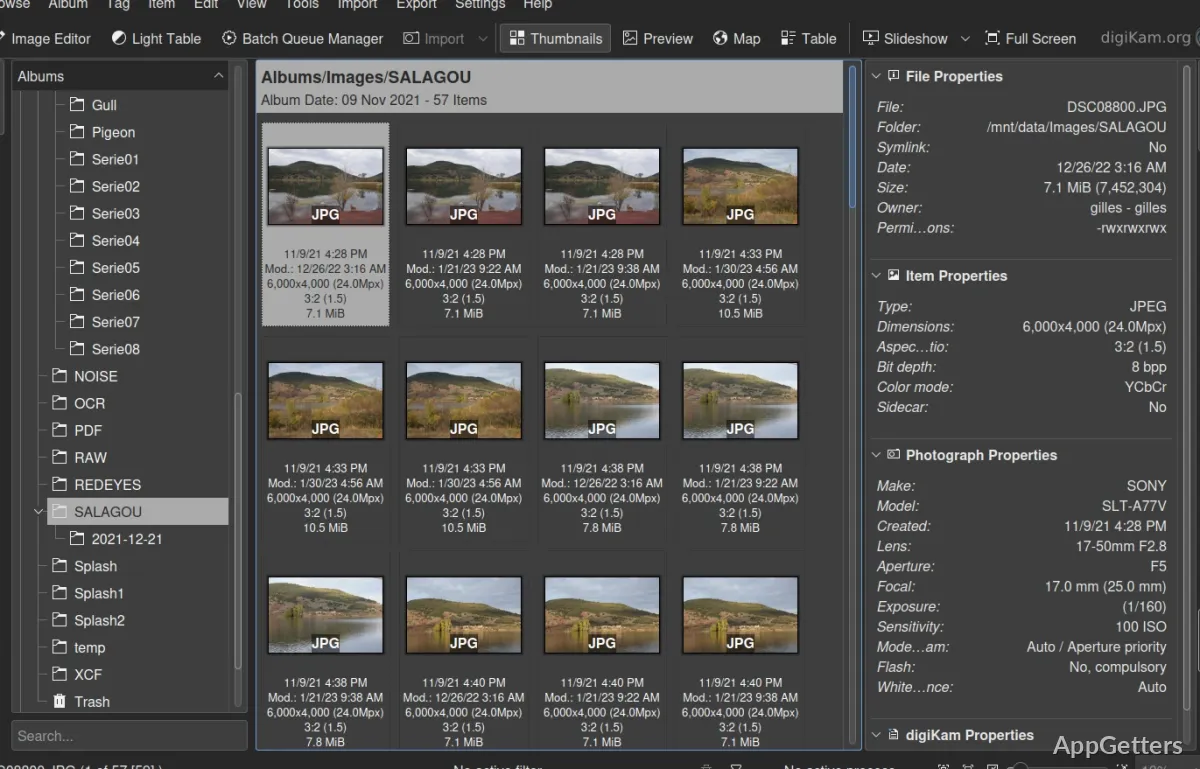
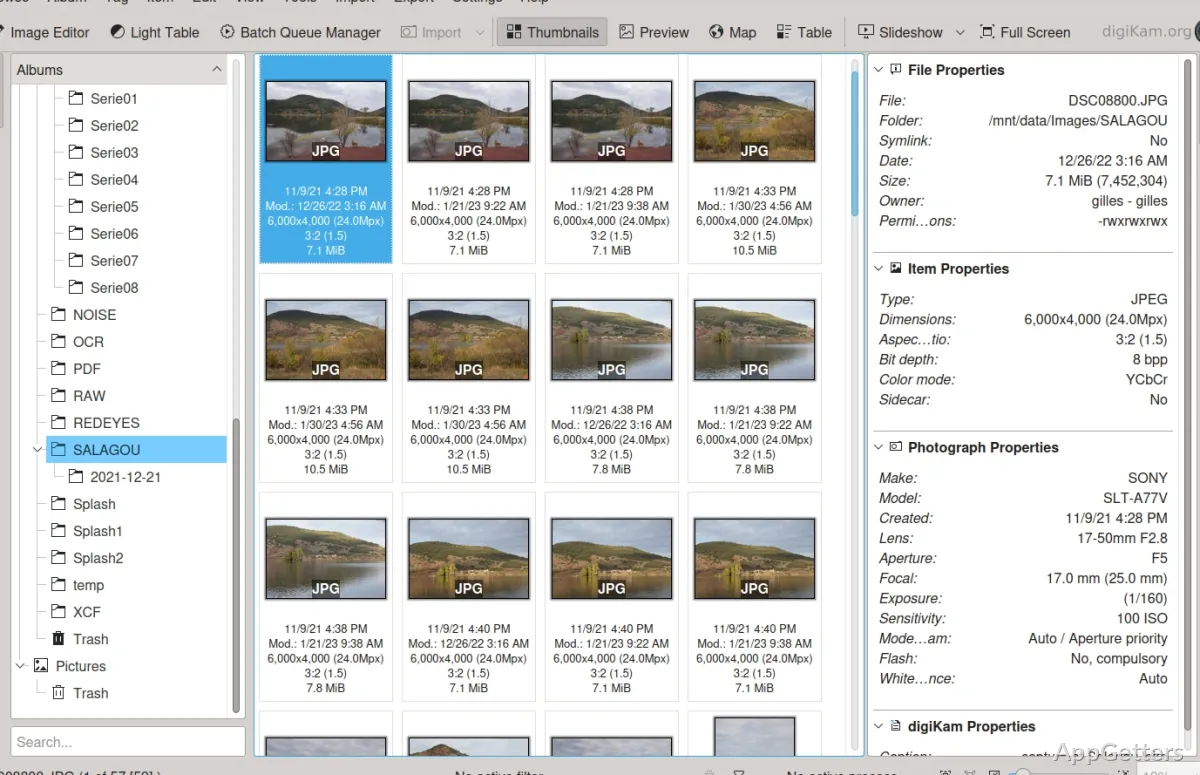
The first thing you’ll notice about digiKam is that it is more about creating a structure than a minimalistic one. The interface can look quite dense at first sight, especially for those users who are used to the simplest gallery apps. This is especially noticeable compared to the lightweight photo viewers. Only once the collections are large enough, imported, and categorized will the users begin to get the hint of the layout and its rationality.
Albums are solidly linked with other features like tagging, labeling, rating, and metadata tools. They guide the users to a path of sorting the pictures in an entirely different manner from the usual folder navigation. Location data, camera info, keywords, and facial recognition can all come into play. Searching through thousands of photos then takes on an entirely new dimension.
The program works smoothly with RAW photographic formats on Windows, an essential feature for DSLR and mirrorless camera enthusiasts. Memory card and external drive image imports are not only simple but also very stable, even when dealing with very large batches. In fact, those who use digiKam on a daily basis may find it the most rewarding. This especially applies to users who prefer a methodical organization over only quick browsing.
Editing and Managing Photos without Getting Out of the Program
Despite the fact that editing does not play a large role in the digiKam marketing strategy, the software hides a good number of editing tools. One can hardly expect them. One will have the basic tools at the tip of his or an individual’s fingers for cropping, sharpening, adjusting the exposure, and even color balancing. Batch processing is an imperative feature when resizing, renaming, or converting a large number of images in one batch.
If one takes a closer look at the situation, there is a number of users who benefit from such a workflow-oriented approach. They are the ones who keep on photo archiving event photography, classroom projects, scanned documents, or travel albums. The fact that a single environment is able to accommodate quite a lot of the routine management process at once is a big plus, isn’t it?
On Windows, you can count on its being able to perform its functions sustainably and reliably most of the time. It is only that the experience can be uneven from one person to another. This depends on the size of the library and the capacity of the hardware. Very large collections can take their time at the stage of indexing. The older systems, the ones with database-heavy operations, may feel the slowdown, but still, the application is stable most of the time. This is the thing that matters even more than the beauty of the interface. It matters especially for those users dealing with important photo archives.
More Suitable for Structured Workflows Than Casual Browsing
digiKam does require some patience. Unlike the modern-day gallery apps assembled around TUI and minimal controls, this software expects that users want deeper access to their files and metadata. Casual users may be taken aback by the advanced options that are hidden in some menus. At first, the learning curve may be felt quite steep.
That is why there are many long-term users who stick to digiKam. It is just that the software does not make cloud subscription upgrading a priority. Nor does it simplify the ecosystem to such a degree that the user’s control over the files is taken away. Keeping the local library management from the experience is the essence of it.
The thing is that digiKam might appear to be quite overly exhaustive for Windows users. Their usage of photos stands mostly and largely at the ‘viewing’ level only. On the other hand, some users are getting on with archives that keep on growing, camera-based workflows, or detailed organization tasks. They may find the extra depth difficult to live without once they get used to the program.
Where digiKam Fits Best on Windows
The best that can be said about digiKam is that it has been great as a photo management solution for a long time. It suits the needs of those users who won’t sacrifice control, organization, and local file handling. They do not want to do so for the sake of a simple interface and ease of use alone. Amateur photographers and students managing research or creative projects will find it most useful. The same applies to ordinary users who have accumulated their photos over the years and across multiple devices.
What digiKam is actually aiming less at are aspects like quick social sharing or lightweight browsing. It aims more at aspects like having adequately structured, searchable photo libraries that are maintained over the years. Its interface is rather technical. On the other hand, its very trustworthy cataloging system and workflow tools find it a useful role that quite a few simpler Windows photo applications cannot easily displace.