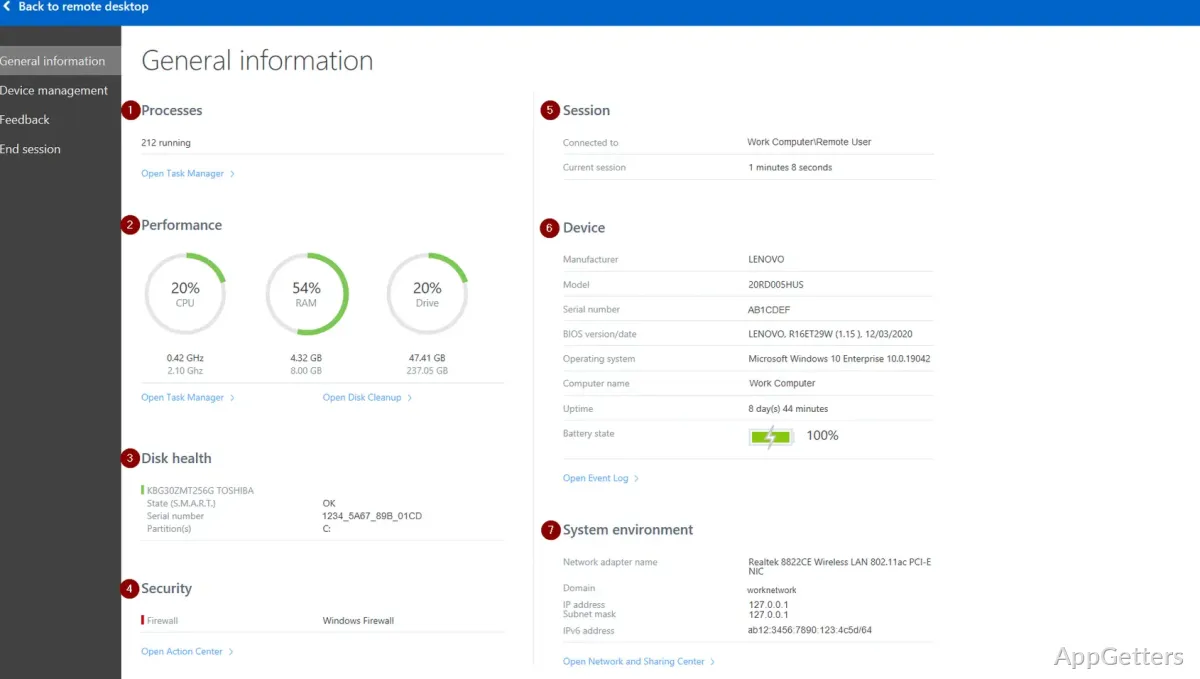
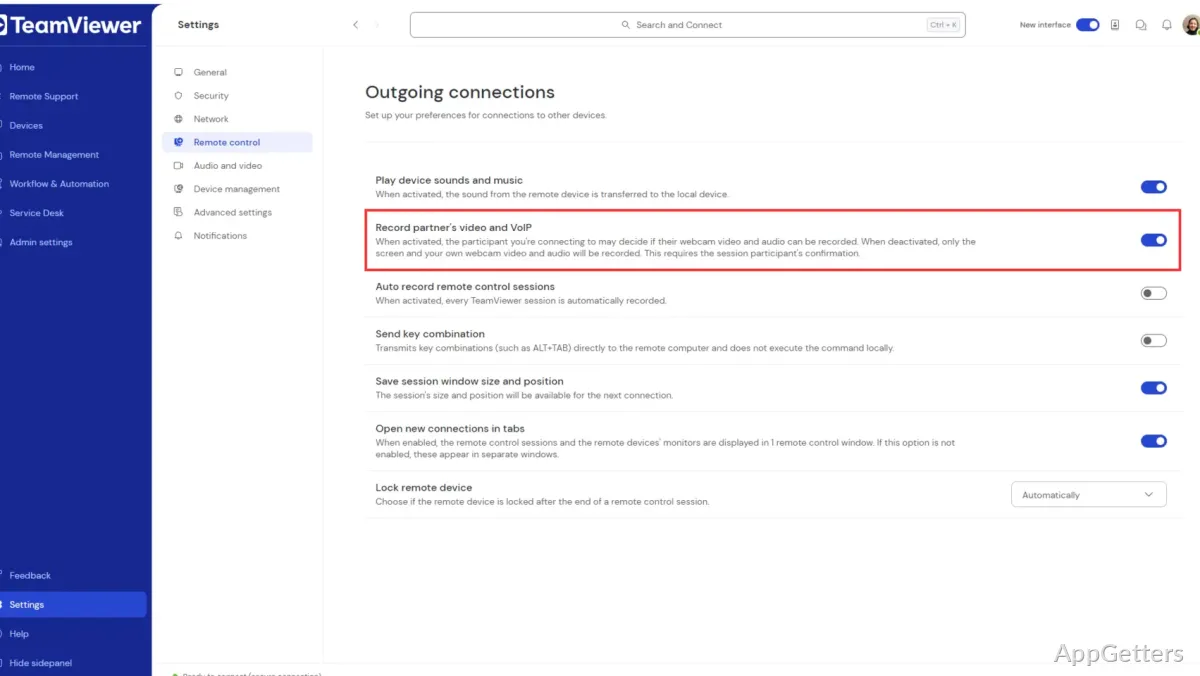
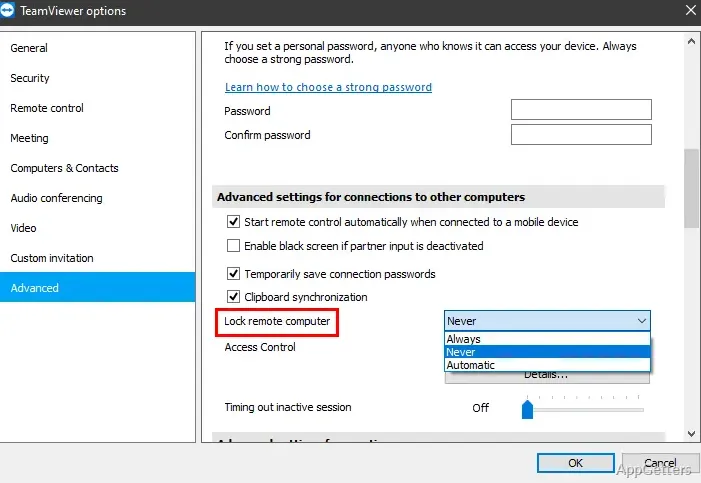
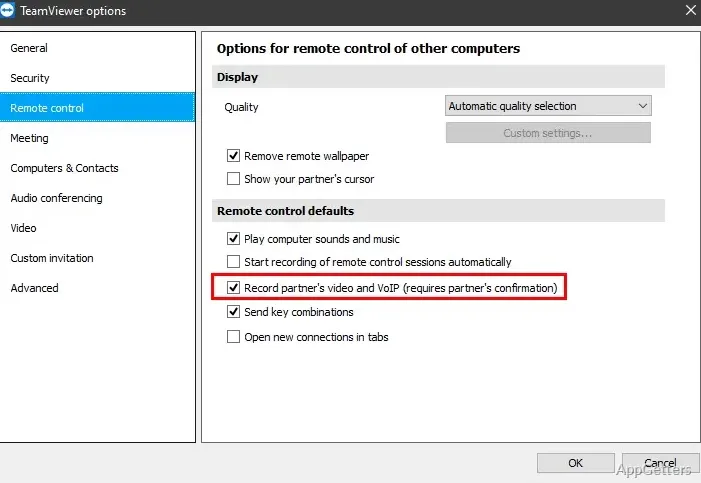
People usually think of remote access software as something to use only when the problem is with a computer. A college student may require files from a home computer while they are away at college. Someone’s parents may need to call to ask for help fixing a Windows setting they cannot understand. Within offices, small technical problems could swiftly disrupt work, especially when devices are spread out in different locations. It is in these situations that tools like TeamViewer get used because they lessen the need to have physical access to a computer.
TeamViewer for Windows is made so that remote access to a PC can be done by non-techies without fear. Installing it is not complicated. Most of the time, to access another PC, you only need to type a session ID and password. No network setting configuration is required. Simple access is one of the many reasons it is still known throughout the world by home users and support teams.
Remote assistance, a familiar choice
A major advantage of TeamViewer is that you can quickly connect with another person. When used in everyday situations, connections quickly beat extensive feature lists. When a person needs to deal with a Windows update, a printer, or a hidden file problem, the ability to get a session started within minutes can eliminate a big part of their frustration.
The user interface is mostly kept simple for users without experience. To make it hard to get lost during remote meetings, large connection controls and very well-separated menus are used. Moving files, sharing screens, and remote input remain a natural part of the user’s workflow. A user does not feel that those are hidden behind advanced settings levels.
Working with a good internet connection, a user at a distance can be seen moving the mouse with moderate smoothness. A change visible on the screen is updated at the same rate as the movement. This allows a user to edit documents, set up new software, and give basic support. But connection quality changes according to bandwidth usage. It can introduce some latency. High screen resolution sharing or longer sessions are points where it can be stressed.
Besides technical support, it is a handy tool.
Although the first association for many people when thinking of TeamViewer is IT department support and other technical support branches, many users still use it for ease in daily life activities. This proves itself again and again. Examples include students accessing their lessons via another PC during a school day. Small businesses may need access to their on-site computers when traveling. Families may assist their relatives unfamiliar with the Windows support system, system settings, and system menus.
Especially, the in-house access option works effectively for users handling a wide range of devices. Instead of waiting for permission to be granted each time, trusted computers could be changed to stay available remotely when required. People who frequently change from one workstation to another could find it very easy.
However, for users who only occasionally need to access files, the software will be too much. Windows itself has very limited remote tools. Some lightweight alternatives focus on simple one-purpose connections. The best use of TeamViewer is when users want a combination of help, remote control, and availability between multiple devices in one platform.
Security and dependability in everyday use
Since remote access software implies access to one’s private place, there is always a concern about security. TeamViewer has a built-in security system, which makes it secure software. That is why it has encrypted connections, device authorization checks, and account-based security. Most ordinary users without any in-depth knowledge will be fairly safe thanks to these safeguards.
In fact, reliability is one of the prime reasons that many people continue to use the software. Reconnection after a disconnection is usually quick, and the software stays stable during long support sessions on Windows. For offices in which time off directly affects productivity, this consistency is an important factor.
On the other hand, on slightly older Windows systems, the software can seem to use a lot of resources. Users who only rarely open the program may find the pop-up start notifications quite unnecessary. They may also find the services running in the background unnecessary. The software sometimes detects commercial use in a personal session, which can easily cause frustration.
Where on Windows does TeamViewer work best?
TeamViewer collaborates very well with households, students, freelancers, and small offices that do remote assistance or off-site computer access regularly. Its main feature is its ease of access to non-technical users, rather than just remote control.
Following the same logic as above, the software is a very good tool for Windows users who often provide remote help to others. Users with more experience, however, will also find the wider set of device management and remote workflow capabilities appealing. These are available beyond simple screen sharing.
TeamViewer is not the lightest remote access application available. It is a reliable selection for users who value familiarity, broad support, and simple remote support on Windows systems.