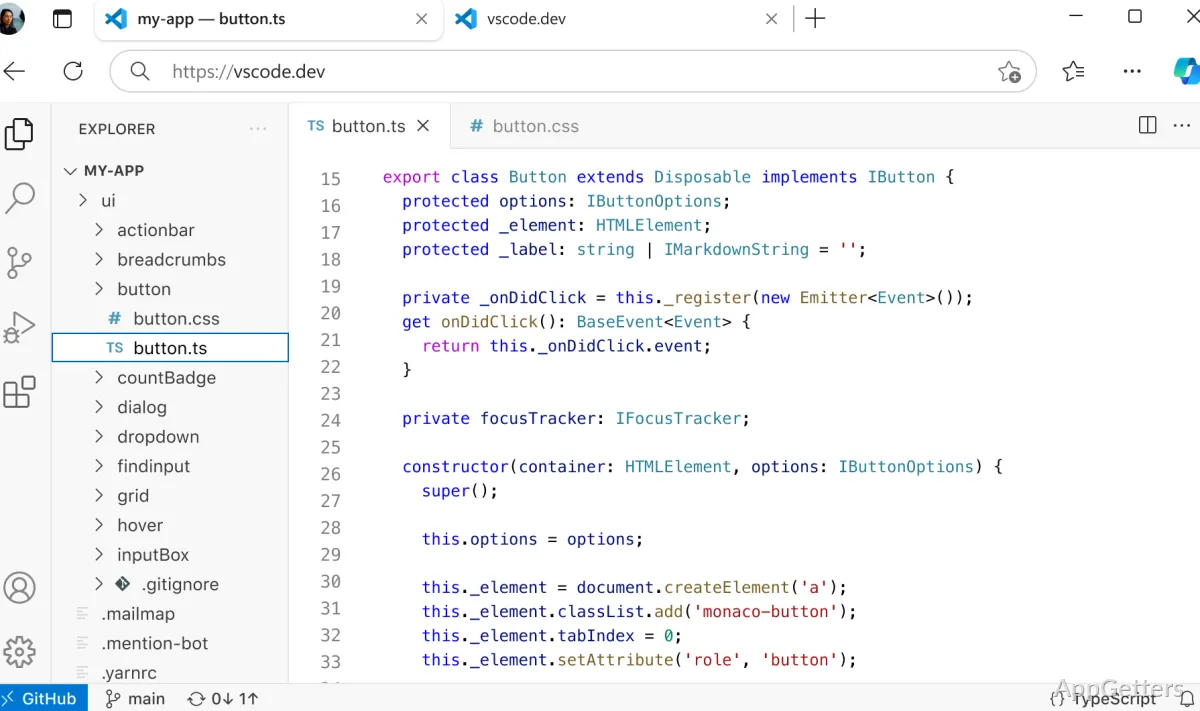
As a code editor, Visual Studio Code is highly lightweight and one of the leading picks among developers on Windows who are newbies. Its chief drawback is that it deals with the issue of a gap between very basic text editors and full-fledged integrated development environments. Typically, newbies choose very simple tools that have very limited or no debugging and language support features. In comparison, IDEs might even scare users who are small or medium-scale project developers. Visual Studio Code, being a middle ground, offers a decorated environment for performing development tasks without the necessity of a complicated setup. On the Windows side, it is mainly utilized by students, professional web developers, and individuals who desire a quick and handy environment for coding and testing across multiple languages.
Installation and First-Time Setup on Windows
Usually, installing Visual Studio Code on Windows is a painless process. Apart from the little installer executable, there are virtually no system requirements relative to full IDEs. The first impression that checks out after running the application is that the very first usage is so clean and simple. The first impression that checks out after running the application is that the application is. The very first usage is so clean and simple. No complex settings are needed. The user will be able to open the folder and edit the files the very moment, without even thinking of the project template creation.
The heaviest or time-consuming part of your setup is probably the one right after the installation, when you want to add your language support or customize your settings. The typical Windows machines allow you to start very quickly, and the editor continues to be very responsive even though you have multiple files open.
Everyday Coding Workflow and Editing Experience
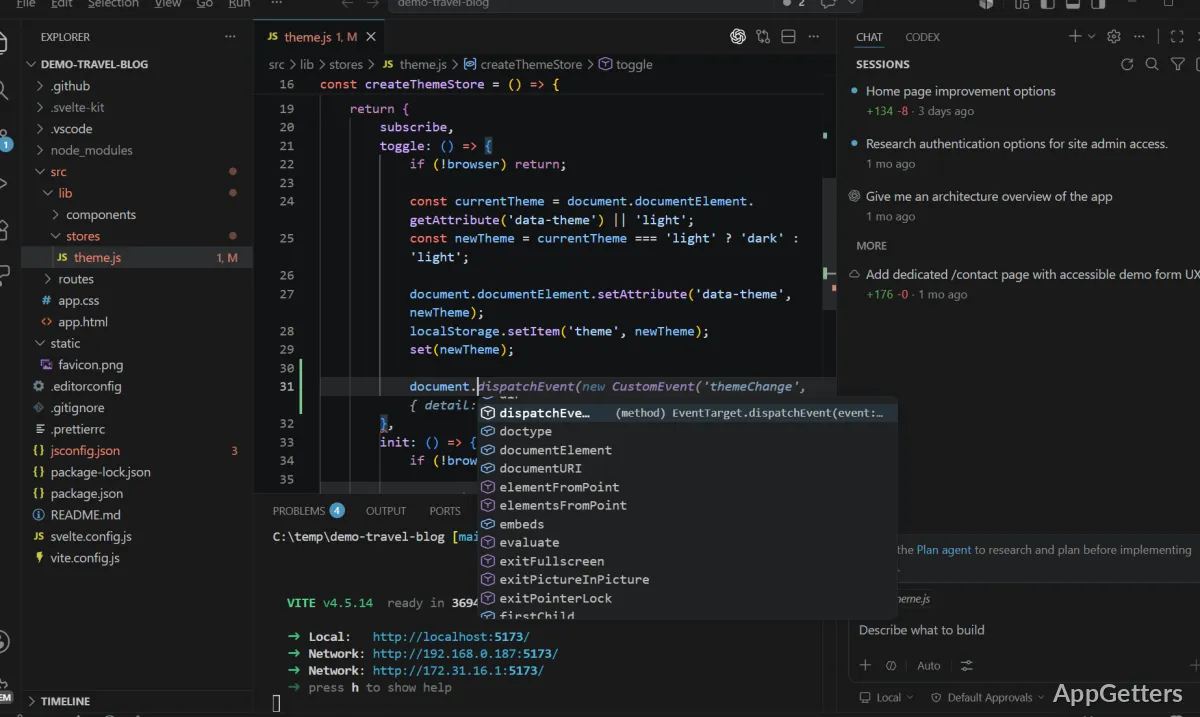
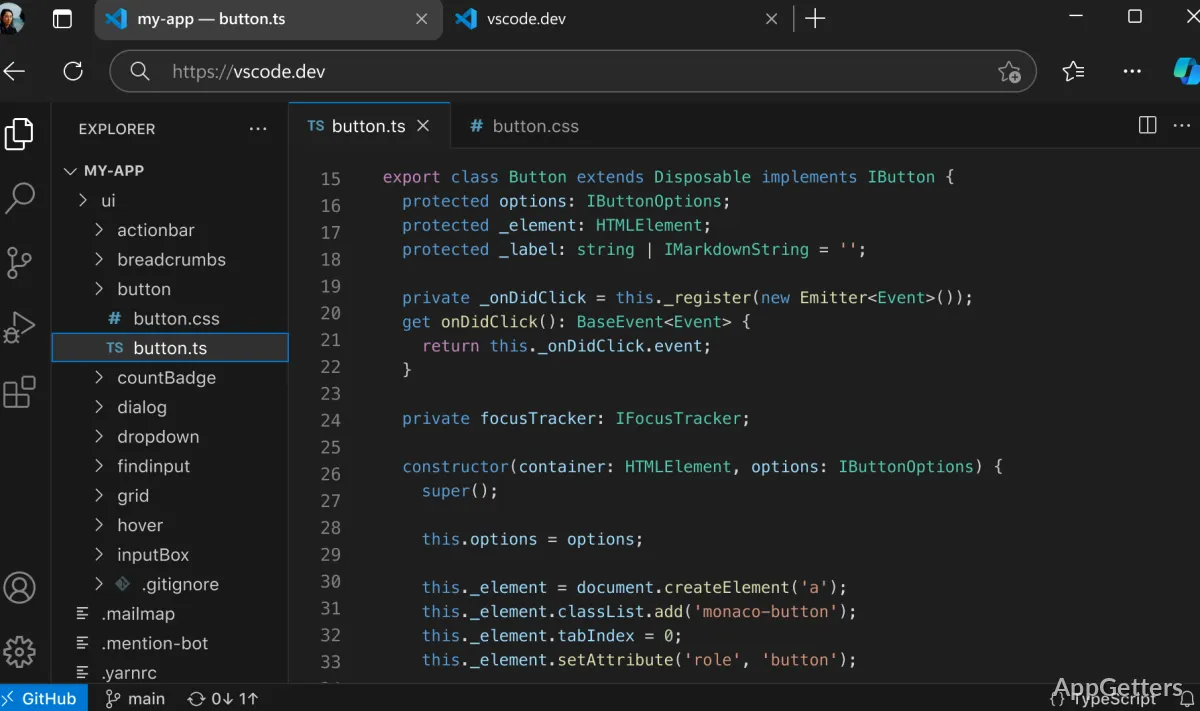
First and foremost, Visual Studio Code, through its main function, is intended to be an ultra-light and super-fast environment. Users can hardly get distracted and focus solely on typing out their source code or performing software development. Moreover, one of its stand-out features is that it provides users with syntax highlighting, automatic code completions to some extent, and fairly well-suited debugging tools, all integrated and working together. Consequently, you can lessen your dependence on other external tools and therefore speed up the entire process quite notably. Besides that, the very pleasant way of quickly navigating through the project structure using the highly intuitive file explorer, combined with the built-in terminal, where you can issue your commands, hardly makes you leave the editor scene at all.
Actually, that very tight coupling of features explains why a majority of its users carry out real work inside it. That is not to imply that Visual Studio Code backs a single and only project structure. Actually, this one point can be considered a disadvantage of Visual Studio Code, as some users may like to see some enforcement or guidelines. However, small, loose, unstructured projects benefit from the absence of a strict project structure.
Extensions, Ecosystem, and Practical Customization
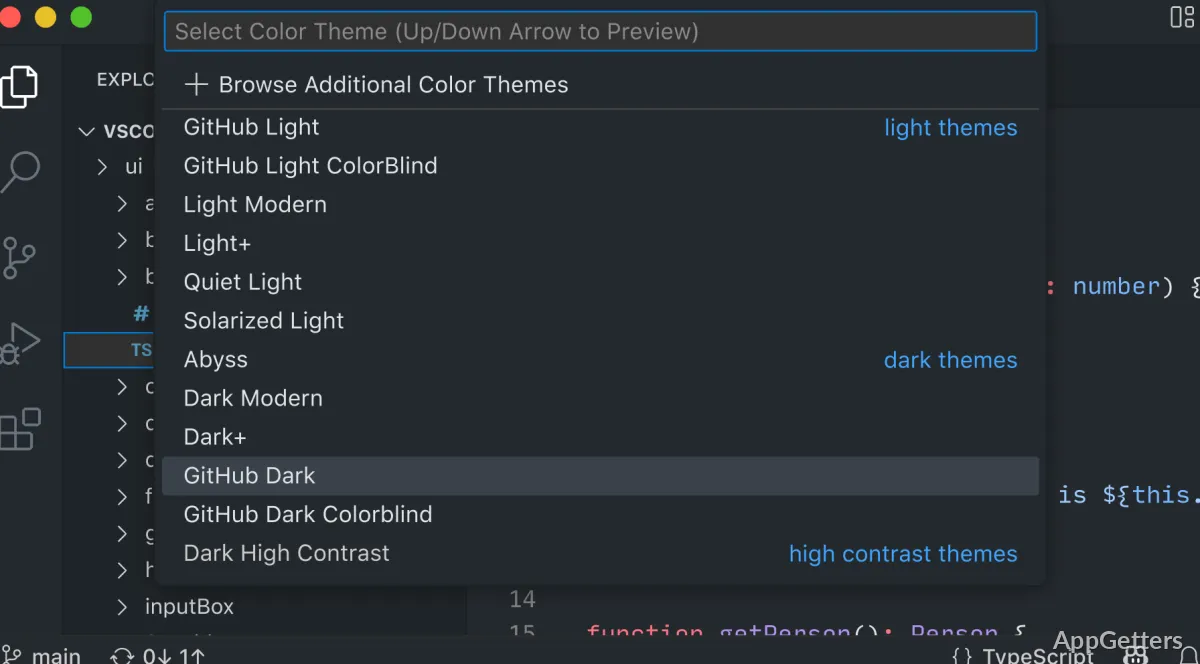
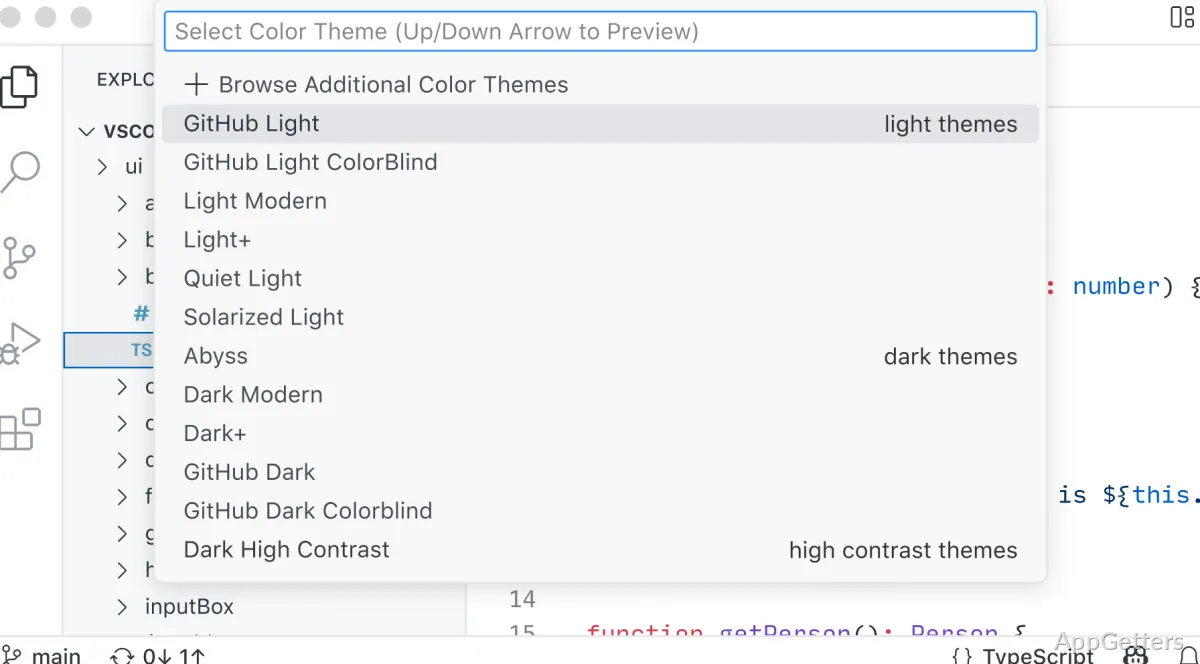
One of the major components of the Visual Studio Code experience resides in its extensions marketplace. Instead of just packing every single feature in the box, it depends on extensions. That allow for language support, different frameworks, tooling, and a bunch of other things. This way, folks may really decide on the editor they want. Customize their environment according to the language they code in (JavaScript, Python, C++, or others). And the kind of tools they use. The act of installing extensions on Windows machines is very quick.
At times, you may not even notice the updates being downloaded and installed. Everything happens automatically in the background. In daily practice, having the capability to adapt the tool according to one’s needs is definitely quite helpful. Nevertheless, it also brings along the aspect of variability. Inviting extensions that are not really suitable can really affect the performance. It can also cause conflicts between the different components of the software.
Performance Behavior and Real-Life Limitations
Visual Studio Code is a pretty efficient tool on Windows-based computers. It can be used straight away, and one would hardly notice any lag even when handling fairly serious workloads. Still, performance levels will be decided by the number of extensions running at the same time and the scale of the projects one has open. When dealing with big codebases, one might experience some delay or slowness in the presentation of suggestions, particularly in those cases where language servers are heavily loaded. It is actually hard to imagine a state where working with it would be impossible or near-surreal for the user. However, its being 100% unaffected by slowdowns caused by an intense usage of extensions cannot be guaranteed either. On a side note, memory consumption also tends to be higher the longer the user stays on his/her coding session.
Lightweight Development Workspace for Flexible Coding Needs
To sum it up, Visual Studio Code is primarily for those enthusiasts who don’t mind a pretty good, yet still quite well-balanced and comprehensive development environment, but they don’t want to be forcibly locked into a rigid full IDE kind of structure. The main thing is that it supports a student as well as a would-be student. Who feels programming basics reasonably well. A web developer who can create both frontend and backend projects. And a professional who prefers modular setups that they can control. The highlight is that it is very flexible. It can really change and be used in different workflows. This happens as and when someone feels like it.
However, it will be up to the user to design a reasonable project and to select the appropriate tools. On the Windows platform, it is a reliable editor for daily work. A user can handle simple scripts or large projects. This works best when the workspace is properly organized. Good discipline with extensions and projects improves performance.