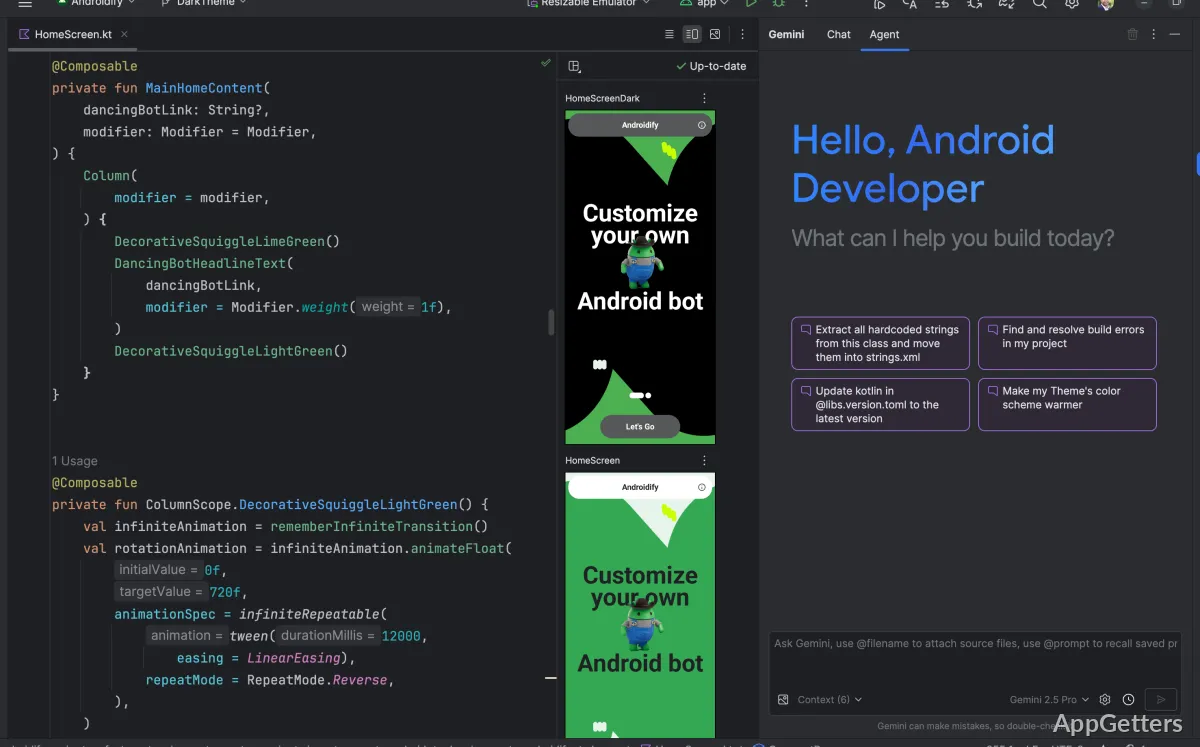
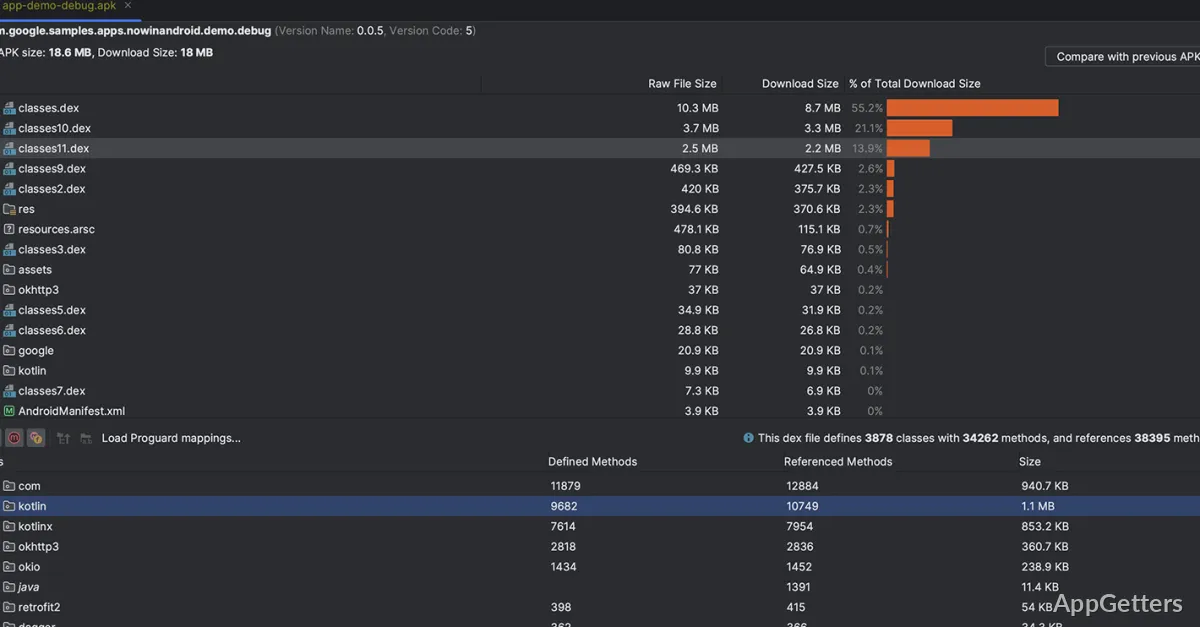
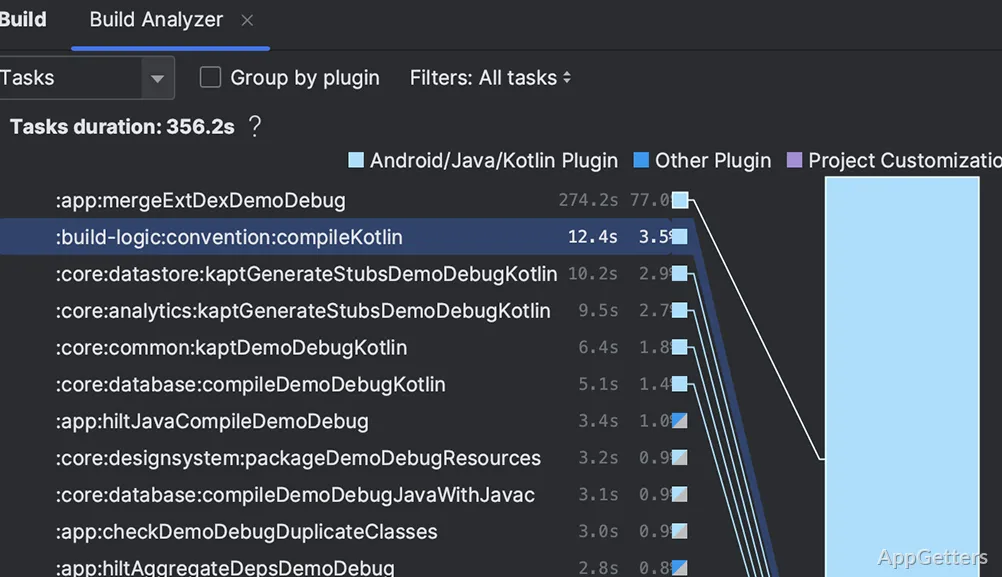
Android Studio is basically the complete and main tool one uses to develop Android apps. Most of the time, a user working on Windows will be using Android Studio as the main environment for software development. Writing software is not the main challenge users face, according to the article. Users have to manage the entire Android stack in one place, which is quite a large hurdle. SDKs, device emulators, Gradle, and project configuration are all found in just one massive environment. For starters, it can become a bit bewildering, they say, especially when the setup lasts longer than anticipated. For the pros, the major issue is to maintain good performance while juggling various components that are always interacting in software development.
Installing Android Studio on Windows
In a Windows setting, getting Android Studio up and running is less of a “one-click” kind of thing. And more about preparing your system for the whole development environment. Typically, a single install package will contain the Android SDK, emulator, and other development tools. This means that disk space and other system resources are important from the start. It has happened a few times that only after a series of downloads and configuration changes, a project could be opened without any issues. To be able to work with the emulator, the system definitely needs to support hardware virtualization. Otherwise, the user may experience the performance of the testing to be quite slow or very limited. Even with a medium specification Windows laptop, one may complete the installation step. But has to wait through the indexing and syncing of components.
Development Workflow and Project Handling
Stages of work with Android Studio are linked with one another at such a deep level that a person, like a character, moves from one activity to another without any break. As if fulfilling different desires like coding, making the User Interface, and testing the app. Code completion and live error checking will save you a lot of time. That you might have otherwise spent on bug-fixing. Gradle project management can help to a certain extent in organizing dependency issues. But it is always a time-consuming task to synchronize, especially for large projects.
Besides that, you can very easily test your app with the help of the IDE’s integrated emulator, even if you do not have a physical device. Which is a great option if you want to make fast changes. Nevertheless, most of the time, users report that they are frustrated by Gradle syncing and indexing interruptions. Especially when they change projects regularly, switch between big projects, or update dependencies.
Performance Behavior and Pragmatic Limitations
When it comes to Windows desktops and laptops, performance is definitely the feature of Android Studio that one can see immediately and clearly. It is quite heavy on the system. Memory can be consumed at a high rate very fast. For example, when the user is very actively using multiple tools. Such as the emulator and services for indexing done in the background. Users who have PCs with smaller RAM will notice a big drop in the speed of the actions. When it comes to things like building programs or rendering the user interface slowly. Besides, even machines equipped with a good standard can be put to work for a while.
When it comes to starting from cold and building with Gradle, especially when the size of the projects is large. Changes or upgrades in plugins or the IDE itself can also affect their stability to some extent for the time being. Even though the usage of SSD disks and a larger amount of RAM will impressively change the quality of the experience. The software should still steal enough of the computer resources to be able to keep on reacting well during development sessions.
Real-World Use in Learning and Occupational Situations
Generally speaking, Windows-based Android Studio is mainly used by a range of people, from students and self-employed programmers to professional Android development studios. All of them producing apps for the market. Android Studio, to the learners, is the one and only highly organized environment that users will gain access to throughout their coding lessons. Exposing them to all the main things about Android, including project structuring, debugging, and deployment. In other words, to professionals, it is very capable of supporting very sizable application maintenance and also integration alongside modern libraries and APIs.
Yet it is not the type of software that one can call lightweight. Plus, the people who use it casually or those who have only computers of low specifications may find it to be way too much even for simple experimentation. Its power comes from providing a full and unified Android development environment. However, with that completeness feature comes quite definite hardware requirements. And a learning curve that rises with the complexity of the project.